
When you hear the word “bankruptcy,” you might immediately think of wiping the slate completely clean and starting from scratch. That is usually Chapter 7 bankruptcy, which often requires little to no assets to clear your debts. But what if you have a steady income, a home you love, or assets you simply cannot afford to lose?
That is where Chapter 13 bankruptcy comes in. Often called a “wage earner’s plan,” Chapter 13 allows individuals with a reliable income to restructure their debt into a manageable, court-approved 3- to 5-year repayment plan.
If you are drowning in debt but want to protect your hard-earned property, here are the top five reasons why filing for Chapter 13 bankruptcy might be the right financial move for you.
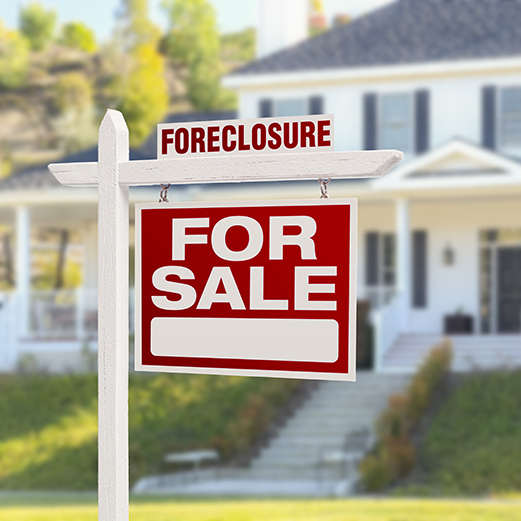
1. You Can Stop Foreclosure and Keep Your Home
The most powerful tool in the Chapter 13 toolkit is its ability to save your home. The moment your bankruptcy attorney files your petition, the court issues an “automatic stay.” This legally mandates that all collection actions—including foreclosure sales—must stop immediately.
- Catching up on arrears: While Chapter 7 only pauses a foreclosure temporarily, Chapter 13 allows you to take all of your missed mortgage payments (arrears) and bake them into your multi-year repayment plan. As long as you make your regular monthly mortgage payments going forward and fulfill your plan obligations, you get to keep your home.
2. Your Valuable Assets Are Protected from Liquidation
In a Chapter 7 bankruptcy, a court-appointed trustee can seize and liquidate your “non-exempt” property—like a second car, family heirlooms, or a home with substantial equity—to pay back your creditors.
- Zero liquidation: Chapter 13 eliminates asset liquidation entirely. You get to keep 100% of your property. Instead of surrendering the physical items, your repayment plan is structured so that you pay your creditors an amount equal to the value of your non-exempt equity over time.
3. It Shelters You When You Make Too Much Money for Chapter 7
Bankruptcy isn’t a one-size-fits-all solution. To qualify for Chapter 7, you must pass a financial screening called the “means test,” which evaluates your income against your state’s median.
- The high-earner alternative: If your income is too high, you will be disqualified from Chapter 7. Chapter 13 serves as the primary legal alternative for individuals who make a decent living but are still overwhelmed by debt, providing a structured environment to pay back what they can afford without being harassed by collectors.
4. You Can Manage “Tax and Support” Debts Safely
Not all debts are created equal. Certain obligations—known as priority debts—cannot be wiped away in bankruptcy. This includes recent state and federal income taxes, child support, and alimony.
- Protection from aggressive collection: If you owe the IRS or back-pay for domestic support, these entities have aggressive powers to garnish your wages or freeze your bank accounts. Chapter 13 forces these priority creditors to stop collection actions and accept a structured, interest-free payment plan over 3 to 5 years, letting you catch up safely.
5. It Provides Debt Relief If You Filed Bankruptcy Recently
Bankruptcy laws prevent people from abusing the system by placing strict waiting periods between filings. If you already filed a Chapter 7 bankruptcy and received a discharge, you must wait eight years from the original filing date before you can file Chapter 7 again.
- The secondary safety net: If a new financial crisis hits before that eight-year window closes, you may still be eligible to file for Chapter 13. Even if your current financial situation prevents you from getting a full debt discharge at the end of the plan, Chapter 13 stops lawsuits, halts skyrocketing interest rates, and forces your creditors to play by the court’s rules.
The Bottom Line
Chapter 13 bankruptcy isn’t a sign of failure; it is a proactive, structured financial strategy. It allows you to take control of your debt, protect your home, and pay back what you owe under the protection of the federal court system. If you are buried under unsecured debt, but desperately want to save your home from foreclosure or your vehicle from repossession, Chapter 13 provides a legal shield and a structured path to financial recovery. Because bankruptcy laws are complex and require strict financial discipline, you do not have to navigate this challenging process alone.
Contact the experienced legal team at the Law Offices of Jacoby & Jacoby (631)-289-4600 today to evaluate your specific situation, explore your legal options, and get trusted guidance toward a fresh financial start.